01 Playbook
Diagnose
Map fragmented authority, process friction, and inherited bottlenecks before activity gets mistaken for control.
Surface the blockages that will slow the first wave of execution.
Concept C · Transition Playbook
A mandate is only the beginning. Operational control is the real test.
Bovino Advisory helps incoming administrations, ministers, and agency leaders turn border-security and public-order mandates into executable systems by sequencing the transition around diagnosis, changemakers, disciplined command, lawful early wins, and durable implementation.
Who delivers this playbook
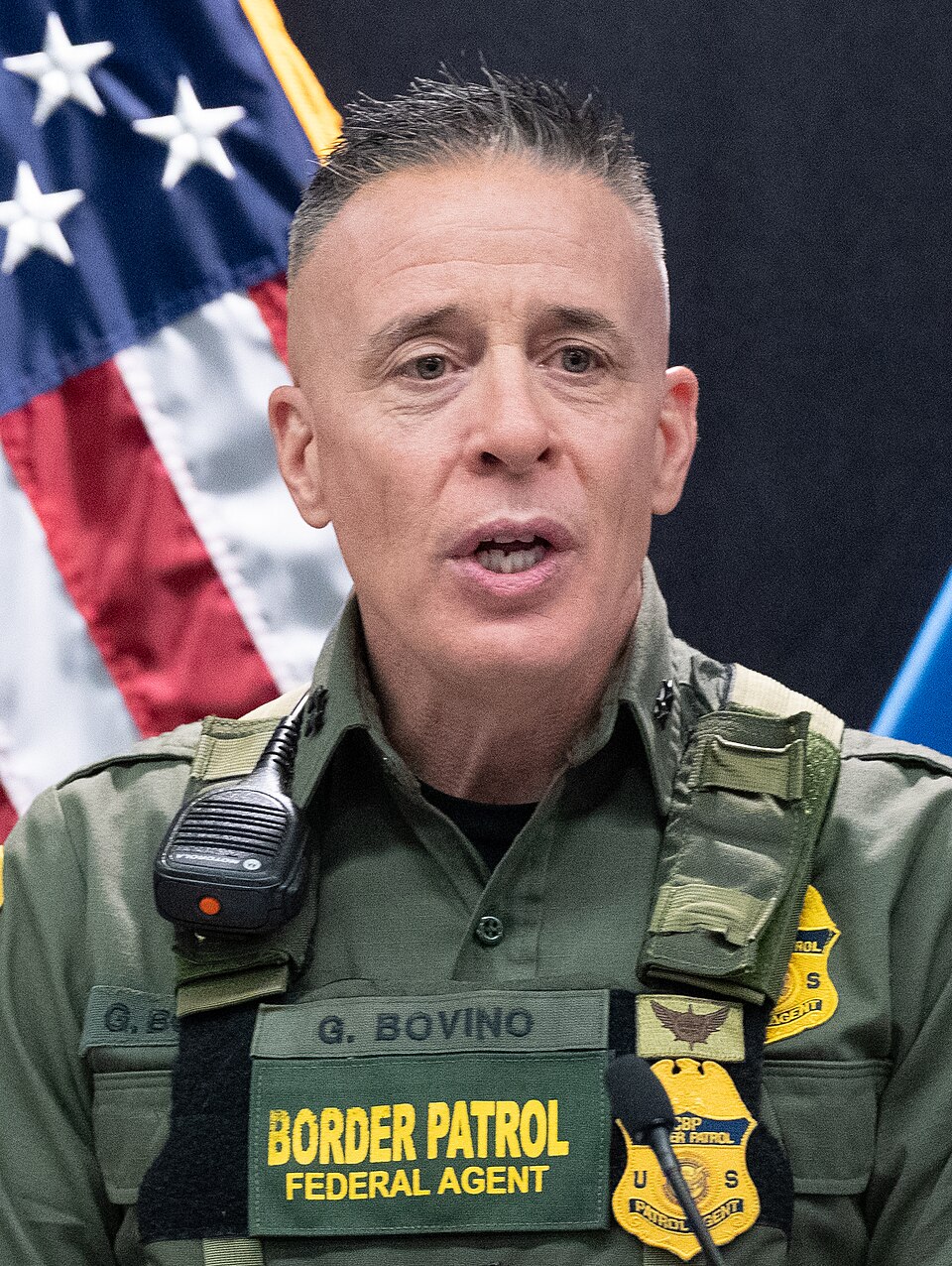
Gregory K. Bovino
Principal
The methodology is backed by nearly three decades across field command, headquarters policy, continuity planning, sector leadership, and public-facing operations under pressure.
Map fragmented authority, process friction, and inherited bottlenecks before activity gets mistaken for control.
Surface the blockages that will slow the first wave of execution.
Find the operators who can turn direction into repeatable action under pressure, not simply echo intent.
Prioritise credibility, execution skill, and discretion.
Set decision cadence, reporting lines, and escalation paths so resistance has fewer openings to slow momentum.
Create one operating rhythm across leadership, delivery, and review.
Sequence lawful actions that demonstrate control quickly enough to matter without feeding confusion or drift.
Keep accountability, outputs, and public explanation tightly linked.
Embed the new rhythm into procedures, training, accountability, and leadership habits so gains hold.
Lock in routines, checklists, and implementation reviews.

Infrastructure tour
Operational control is shaped by the physical environment as much as by policy. The playbook is designed around what field leaders actually inherit: checkpoints, ports, surveillance assets, partner agencies, and the routines that govern them.

Operational pressure
Infrastructure, surveillance, and public scrutiny all sit inside the same operating picture. That is why the sequencing in Concept C keeps command, communications, and legal posture aligned while new leadership delivers early wins.
The problem
New administrations do not inherit a clean machine. They inherit fragmented authority, institutional resistance, and a live information environment that can distort or derail execution before results are visible. The real challenge is not announcing policy. It is taking operational control.
Greg Bovino helps incoming administrations close that gap. His experience spans field command, tactical support, headquarters policy, continuity planning, and high-visibility operations under intense public scrutiny. He understands how to identify the people who can move the system, align decision-making, and turn a mandate into disciplined execution.
The method
Each step builds on the previous one: first diagnose the blockage, then identify the changemakers, align the operating rhythm, deliver lawful early wins, and institutionalise the model so it lasts beyond transition shock.
Sequence status
Diagnose
Map fragmented authority, process friction, and inherited bottlenecks before activity gets mistaken for control.
Surface the blockages that will slow the first wave of execution.
Identify
Find the operators who can turn direction into repeatable action under pressure, not simply echo intent.
Prioritise credibility, execution skill, and discretion.
Align
Set decision cadence, reporting lines, and escalation paths so resistance has fewer openings to slow momentum.
Create one operating rhythm across leadership, delivery, and review.
Deliver
Sequence lawful actions that demonstrate control quickly enough to matter without feeding confusion or drift.
Keep accountability, outputs, and public explanation tightly linked.
Institutionalise
Embed the new rhythm into procedures, training, accountability, and leadership habits so gains hold.
Lock in routines, checklists, and implementation reviews.
Engagement modules
These are not equal-weight service cards. They are sequenced working modules that move from diagnosis to implementation, with different depth and support detail depending on where the operating model is breaking down.
Module 01
Map where actual control is blocked by structure, process, law, staffing, or decision rights. This module turns a political mandate into a working diagnostic, showing where authority is fragmented, who owns which decisions, and where inherited friction will slow the first phase of execution.
Module 02
Find the operators inside ministries and agencies who can move policy into repeatable action under pressure. Bovino’s emphasis is not on titles alone, but on who combines credibility, execution discipline, and institutional literacy when the formal chart no longer explains how the system really moves.
Module 03
Set decision cadence, escalation paths, reporting lines, and implementation discipline. New governments often lose tempo because meetings proliferate while accountability weakens; this module builds a repeatable command rhythm that keeps action visible, decisions traceable, and drift harder to hide.
Module 04
Re-align headquarters, field leadership, checkpoints, investigations, communications, and partner agencies around priority outcomes. This is the deepest systems module: it examines where headquarters intent, field reality, and partner coordination are misaligned, then rebuilds the operating model around execution rather than inherited habits.
Module 05
Prepare leaders to operate under media scrutiny, digital pressure, legal challenge, and reputational attack. Administrations do not execute in a vacuum; they execute in a live information environment where confusion can travel faster than results, so command, communications, and legal posture have to stay aligned from the start.
Module 06
Coach ministers, chiefs of staff, agency heads, and field leaders through the first wave of execution. The goal is not a seminar. It is applied support that helps the leadership team hold standards, run the new rhythm, and convert direction into routines before institutional inertia reasserts itself.
Changemakers framework
This concept gives the changemakers framework its strongest visual treatment: a structured scorecard that clarifies how Bovino reads leadership capacity inside the institution before the operating model is reset.
Diagnostic guide
The framework is used to test whether a leader can convert political direction into durable execution without losing legitimacy, tempo, or discretion.
Authority transfer
Respected both by leadership and by operators in the field. Without that dual credibility, instructions travel slowly and reforms are treated as temporary.
Translation into action
Can turn direction into procedures, checklists, and accountable action. This trait separates persuasive talk from real implementation capacity.
Performance under scrutiny
Functions under media, legal, political, and internal bureaucratic heat without losing discipline or creating secondary crises.
System navigation
Understands where the real levers sit, how formal authority interacts with informal influence, and where friction will appear first.
Reform protection
Can operate without turning every reform effort into a performance, preserving momentum while the operating model is still stabilising.
Credentials
Gregory K. Bovino’s advisory perspective is grounded in nearly three decades of service spanning frontline assignments, BORTAC details, headquarters policy, continuity planning, sector command, and nationally visible leadership under pressure.
Nearly 30 years of federal service from Border Patrol Academy Class 325 through retirement in March 2026.
Led planning and execution support in Special Operations Division, including Operation Stonegarden and the Border Patrol Continuity of Operations Plan.
Directed dispersed interagency operations across 694 coastal miles in New Orleans Sector and later led roughly 1,100 personnel in El Centro Sector.
Career record includes $111 million in narcotics interdiction during Q4 2025 operations, 214 rescues, and response leadership across four major hurricanes.
Held the Commander-at-Large role in 2025 while high-visibility enforcement activity drew national scrutiny and pressure.
Closing briefing
The transition playbook is designed for administrations that need a clear operating sequence before fragmented authority, institutional resistance, and information pressure define the tempo for them.
Request a Briefing